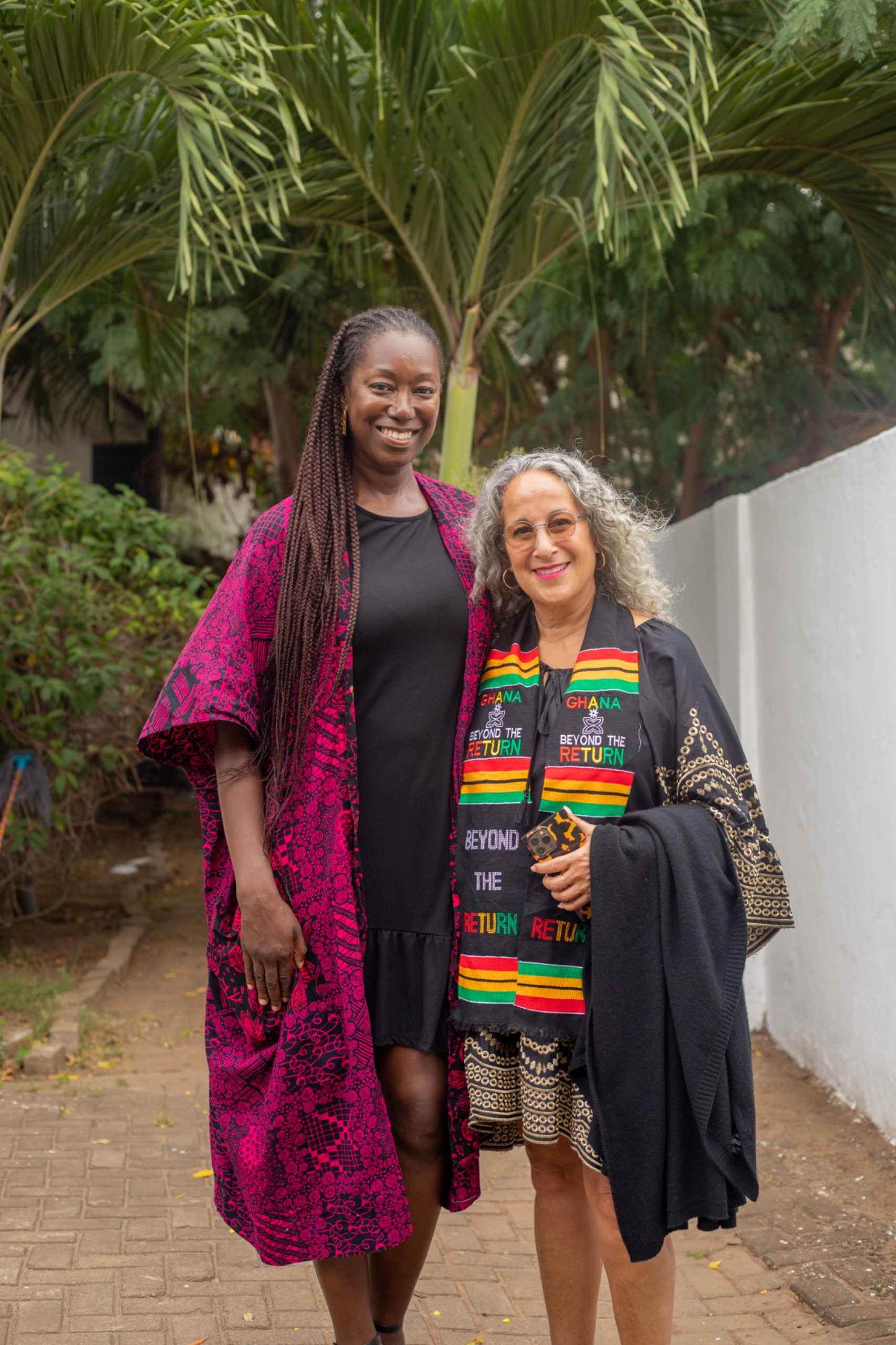
Last month, I had the privilege of meeting Gina Belafonte, daughter of the late civil rights icon and legendary actor and singer Harry Belafonte, during her first visit to Ghana. It was a special moment, not only because of who she is, but because of what her journey represented—a deep, emotional connection between the African diaspora and the continent of Africa. Seeing another person from the diaspora arrive in Ghana for the first time always stirs something inside me. There’s a certain energy, a magnetic pull that draws people back, and witnessing Gina experience that for herself was wonderful.
Gina came to the Diaspora Africa Forum on August 26, 2024, where she added her father’s name to the historic Sankofa Wall in a short ceremony. The Sankofa Wall stands as a reminder honoring those who have paved the way for future generations of the African diaspora. The names of many ancestors including Harriet Tubman and Winnie Mandela are on the wall. It was an emotional experience for Gina, and as I stood there watching, I could feel the weight of the moment—her father’s legacy immortalized in Ghana, a land he had long connected with in spirit through his work for civil rights and global justice.
In our conversation Gina shared how deeply personal this trip was for her. She reflected on the irony that, despite leading Sankofa.org, a nonprofit dedicated to social justice and named after the Ghanaian concept of “returning to your roots,” she had never been to Ghana before. “It’s incredible to be here,” she said, “especially considering my role with Sankofa. We’ve done so much to uplift the African diaspora, but this is the first time I’ve set foot in Ghana. I’ve been welcomed with such warm love and hugs. There’s something that happens spiritually here.” Her words echoed a sentiment I’ve heard many times before—people coming to Ghana often speak of an unexplainable sense of belonging, a connection to something larger than themselves.
Gina’s presence highlighted the continued bond between African Americans and the African continent. I couldn’t help but think about her father, Harry Belafonte, a fierce advocate for civil rights and a man who spent his life bridging the gap between African Americans and Africans. His name now joins others on the Sankofa Wall, serving as a testament to his efforts to connect the diaspora with its roots. Gina’s journey to Ghana felt like the continuation of that legacy, solidifying the link between her father’s vision and the reality she’s helping to build through her own work.
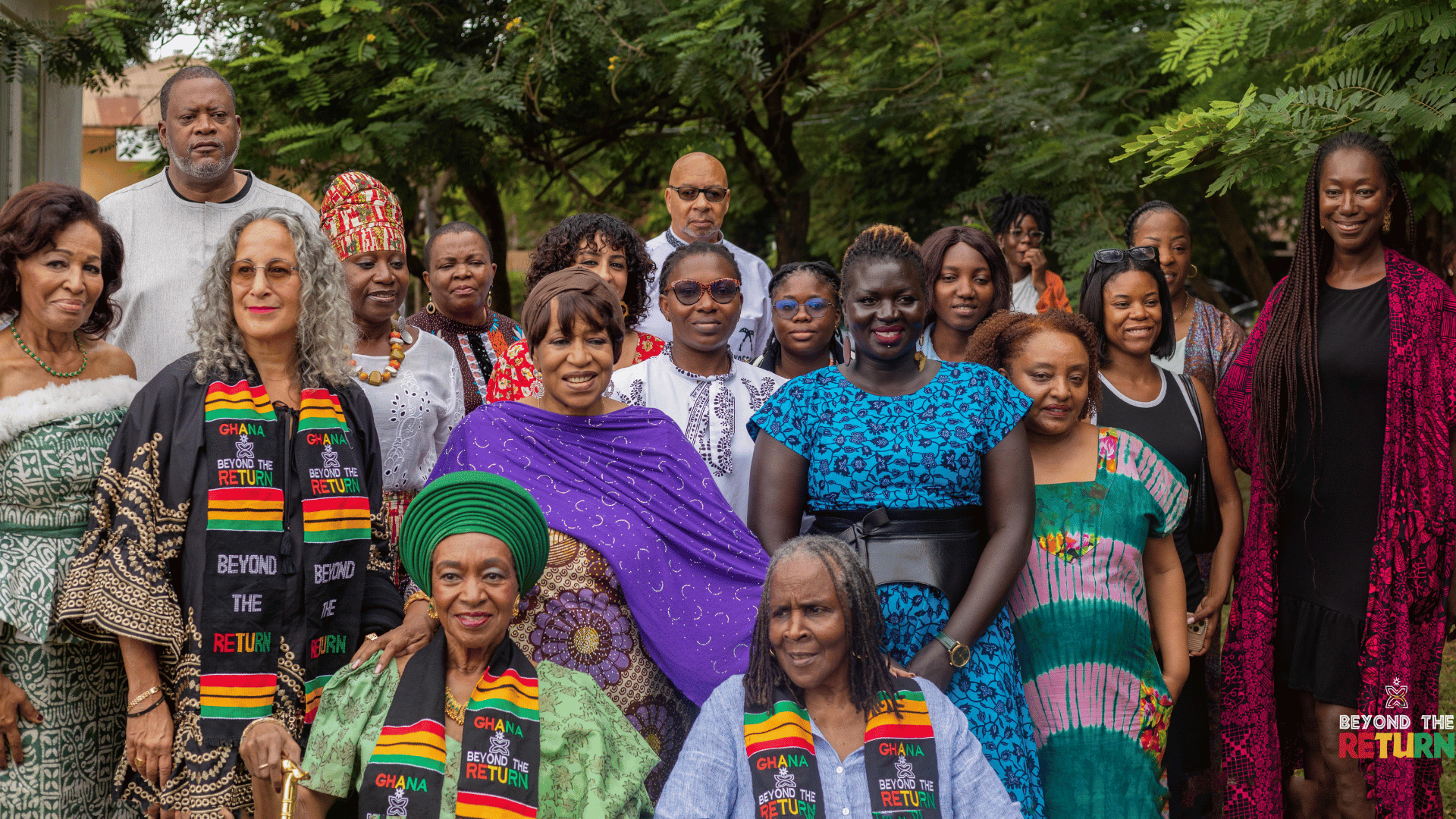
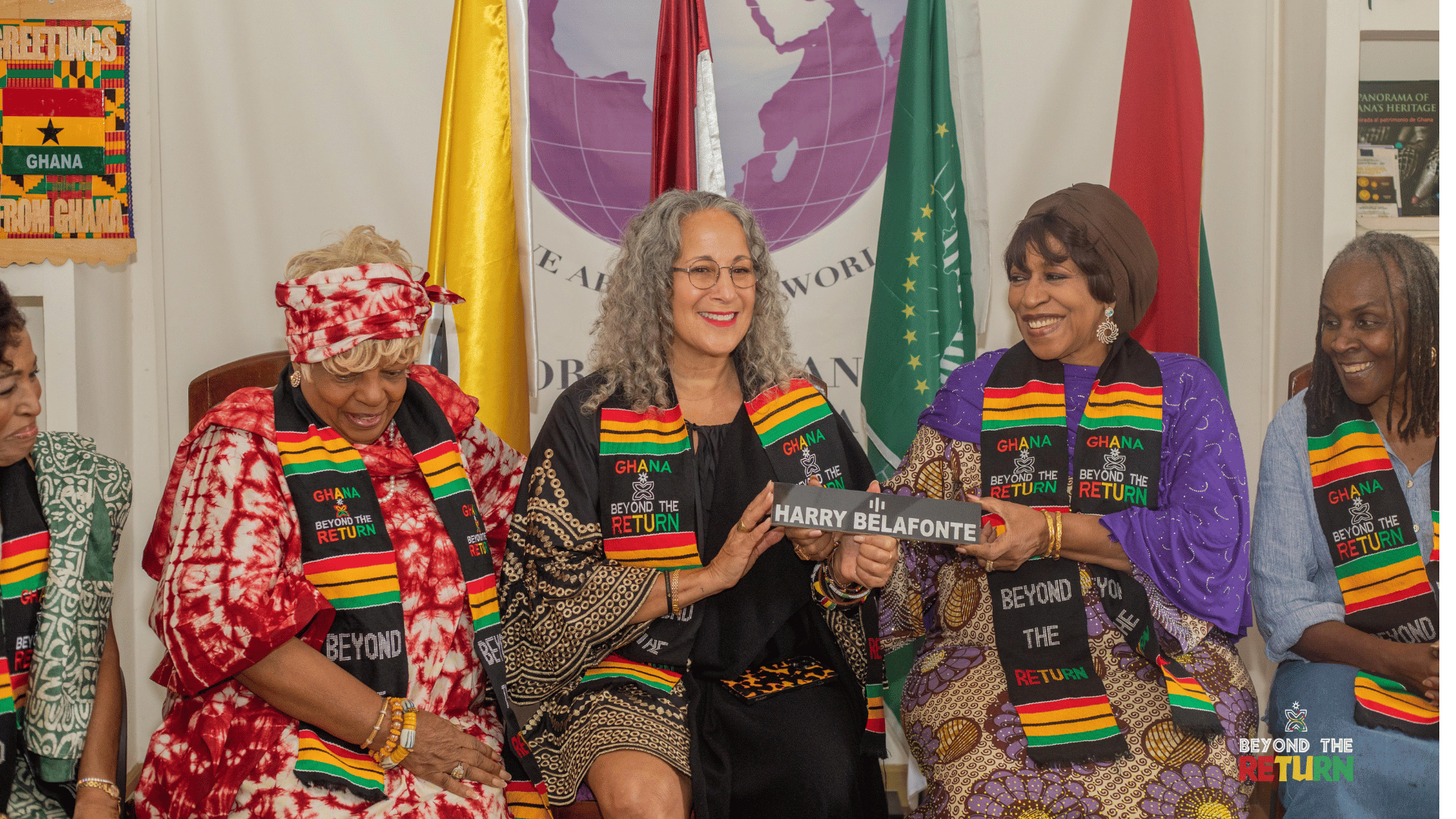
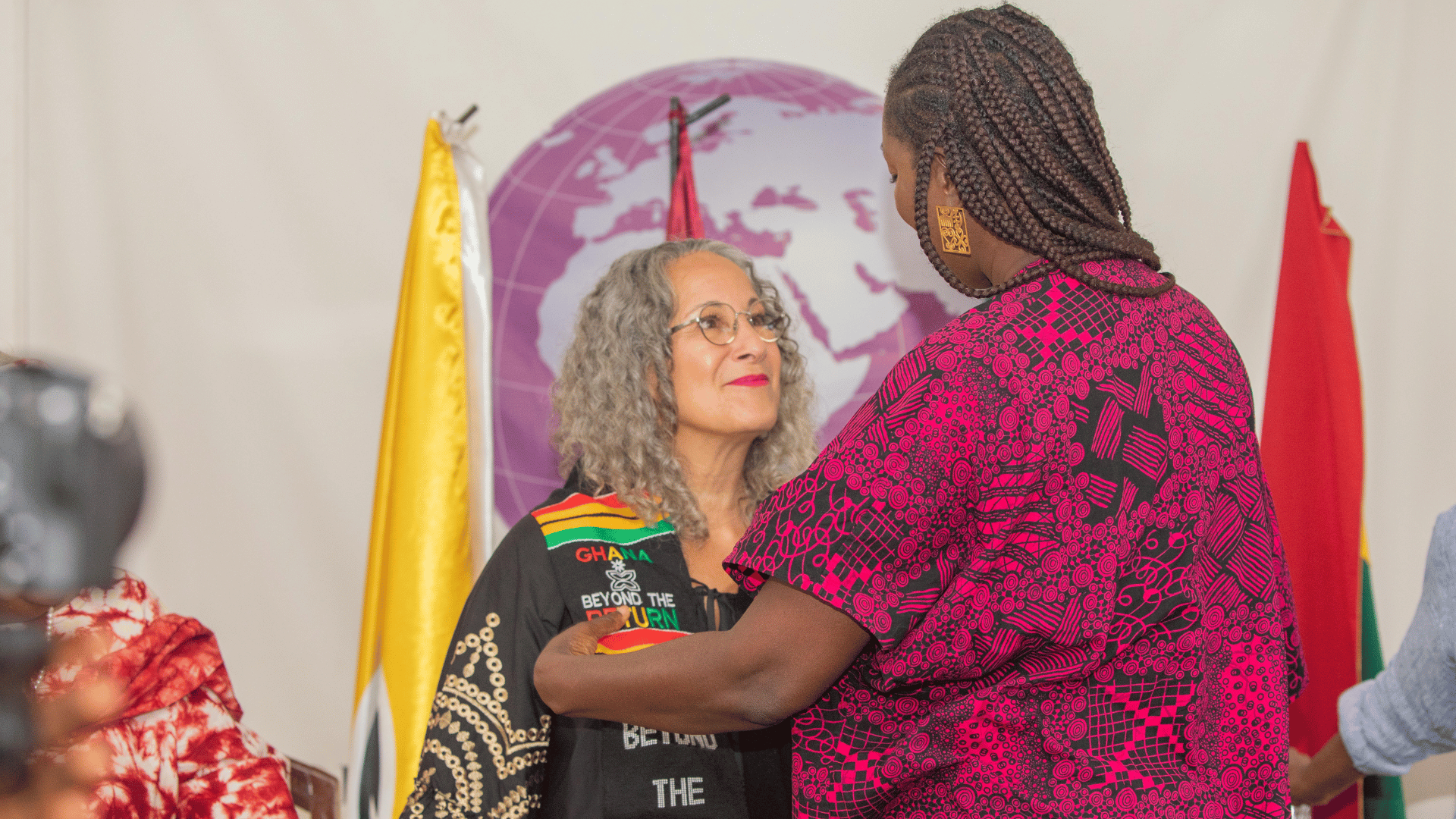
During the ceremony, Gina spoke fondly of her father, recalling the wisdom he passed down to her. “There’s a roadmap that has been written by our ancestors,” she said, her voice full of emotion. “For us to heal as a people, as human beings on this planet, we need to tell our stories and use the example of our ancestors to do that.” These words were powerful and reflected what so many in the diaspora feel—a need to connect, to share our stories, and to heal from the collective history of displacement.
Her time in Ghana reminded me of how this country continues to be a source of connection African diasporans seeking to reconnect with their African heritage. The Sankofa Wall is more than just a place of honor; it’s a symbol of remembrance and unity, a physical representation of the past, present, and future of Black history. Harry Belafonte’s name now stands proudly on that wall, alongside other greats who have contributed to the liberation and empowerment of our people.
Gina’s visit is a testament to the power of legacy, love, and the call to return home.
 Life With Ivy